Introduction
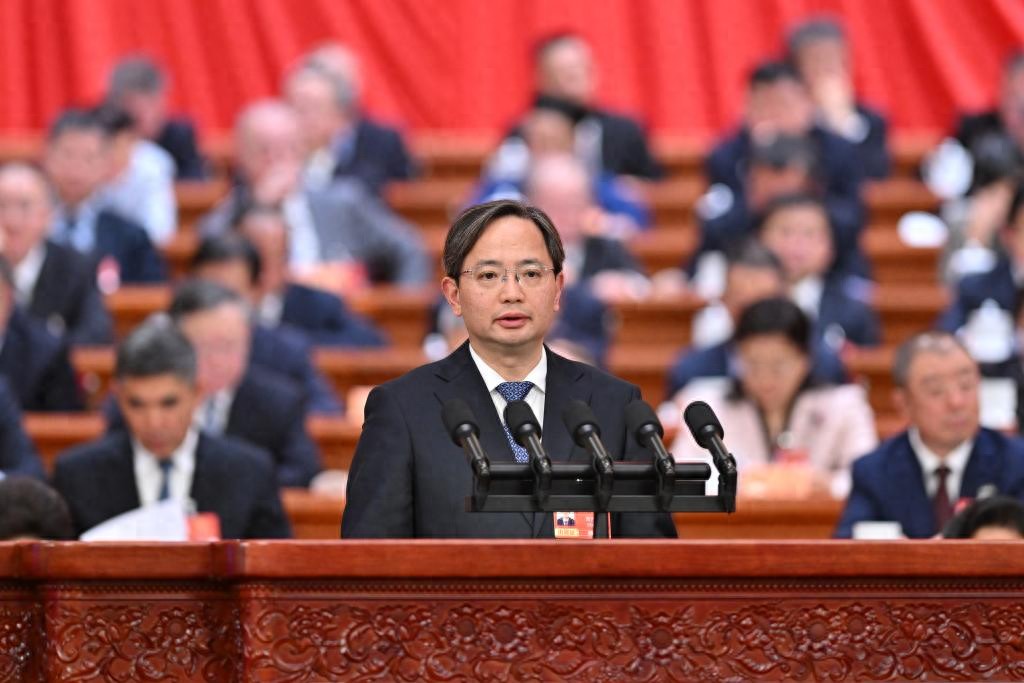
I have been connected to artificial intelligence for over thirty years. From being captivated by a foreign book on machine learning in a library to witnessing AI profoundly change scientific research and social life, my experience shows that the key to technological innovation lies in talent, which must be cultivated from the source.
AI Empowering Scientific Research
“AI empowering scientific research” is regarded as the “fifth paradigm” of research, following experience, theory, computation, and data. However, we must recognize that some research still treats AI merely as a tool, falling into the misconception that “general large models can solve everything.” To truly unleash AI’s potential, one key aspect is cultivating a group of “bilingual” scientists who are well-versed in domain knowledge and cutting-edge AI technology.
I suggest building a composite talent training system for “AI empowering scientific research” from the ground up. This includes supporting high-level research universities to pilot “PhD + Master’s” dual degree programs, allowing doctoral students to pursue a master’s degree in a scientific discipline while working on their AI doctoral degree, effectively breaking down disciplinary barriers.
Developing Specialized AI Talent
On the other hand, to better develop new productive forces, we must cultivate a large number of specialized talents deeply engaged in AI itself, in addition to interdisciplinary talents in “AI + X.”
When AlphaGo defeated top human players in 2016, we believed that many AI technologies could be applied to production and life due to our deep engagement in foundational AI research. The AlphaGo event quickly attracted societal attention, leading to a surge in demand for AI talent, necessitating accelerated training of specialized AI professionals. How should we approach this?
In 2016, we applied for an educational reform project. After in-depth research and analysis of the teaching systems of numerous universities, we concluded that the talent training model needed revision. Previously, AI talent training began at the graduate level, but our analysis revealed that under the old model, key AI content was learned too little at the undergraduate level, while less relevant content was studied extensively. This resulted in graduate students spending significant time catching up, limiting their effective research time and hindering their potential. We believe training should start at the undergraduate level.
In March 2018, Nanjing University established the first AI college among C9 universities, starting from the undergraduate level. The goal is to cultivate talents with original innovation capabilities who can solve critical problems for enterprises and institutions while fostering a strong sense of national identity, especially in high-level AI algorithm talent. We believe such talents need a solid mathematical foundation, strong computational and programming skills, and comprehensive AI professional knowledge.
Curriculum Development
From my twenty-plus years of teaching experience, I understand that the curriculum system is crucial. An excellent curriculum can help students achieve more with less effort, even allowing them to navigate the right path when faculty resources are limited; conversely, a poor curriculum can lead to wasted effort. Under fixed total study time constraints, we need to consider how to reinforce foundational knowledge and eliminate unnecessary content, as well as the sequence of learning. We invested significant effort into this, holding over twenty specialized teaching seminars and discussions. In the absence of any precedents, we established China’s first undergraduate AI talent training system, filling a gap in AI undergraduate education. Fortunately, students trained under our system have solid foundations and are highly sought after. This system has become a model referenced by many other institutions across the country.
Graduate AI Education
For graduate AI education, Nanjing University will launch the “Graduate AI + Innovation Capability Enhancement Action Plan” in 2024, which includes four major components. I am particularly excited about the “AI + Innovation and Entrepreneurship” section, where the “AI + Innovation and Entrepreneurship Class” has successfully ignited the entrepreneurial passion of many students.
This class gathers students with entrepreneurial ideas and invites executives and investors from leading companies to teach. The first course helps students understand what true entrepreneurship entails. For those who persist, the second course teaches them how to leverage current AI technology tools to turn their ideas into product prototypes. After several phases, the best projects receive guidance from professional teams for improvement. Our original expectation was that students would learn to analyze real business pain points, determine whether customized solutions were needed, and identify where to find customized algorithms. Even if they didn’t start a business, these skills would be valuable in their future careers. To our surprise, over 500 students eagerly signed up in the first year, resulting in 35 outstanding projects that were recommended to investors and incubators, with several already beginning to launch.
Notably, we observed a remarkable “chemical reaction” between the imaginative thinking of humanities students and the rigorous practicality of STEM students. Humanities students’ rich imagination could identify needs we hadn’t considered, while STEM students could implement those ideas. The current accessible AI technology tools played a significant role in facilitating this process. This model exemplifies the current hot topic of the “one person + AI equals a company” (OPC) innovation entrepreneurship paradigm. AI technology significantly lowers the technical barriers to entrepreneurship, allowing individuals to realize their ideas through AI tools. Our AI + Innovation and Entrepreneurship Class has attracted multiple industrial parks eager to co-invest and co-develop, and Nanjing City has begun promoting this model citywide through the “AI OPC Elite Training Camp.”
Conclusion
Looking ahead, AI will undoubtedly permeate every aspect of our lives. To young students and technology workers, I want to say: do not fear it, nor should you blindly worship it. It is a powerful tool, but it is not omnipotent. What we must do is understand and embrace it as best as we can. If you want to achieve success and make contributions in the field of AI, you must be willing to endure the “cold bench,” focus on the fundamentals, and believe that persistent effort will yield good results. Only by cultivating a steady stream of talents with original innovation capabilities can we become inventors of new technologies, pioneers of new theories, and leaders in new fields in the wave of AI.
Comments
Discussion is powered by Giscus (GitHub Discussions). Add
repo,repoID,category, andcategoryIDunder[params.comments.giscus]inhugo.tomlusing the values from the Giscus setup tool.