Claude’s Quiet Chinese Support Amidst Access Restrictions
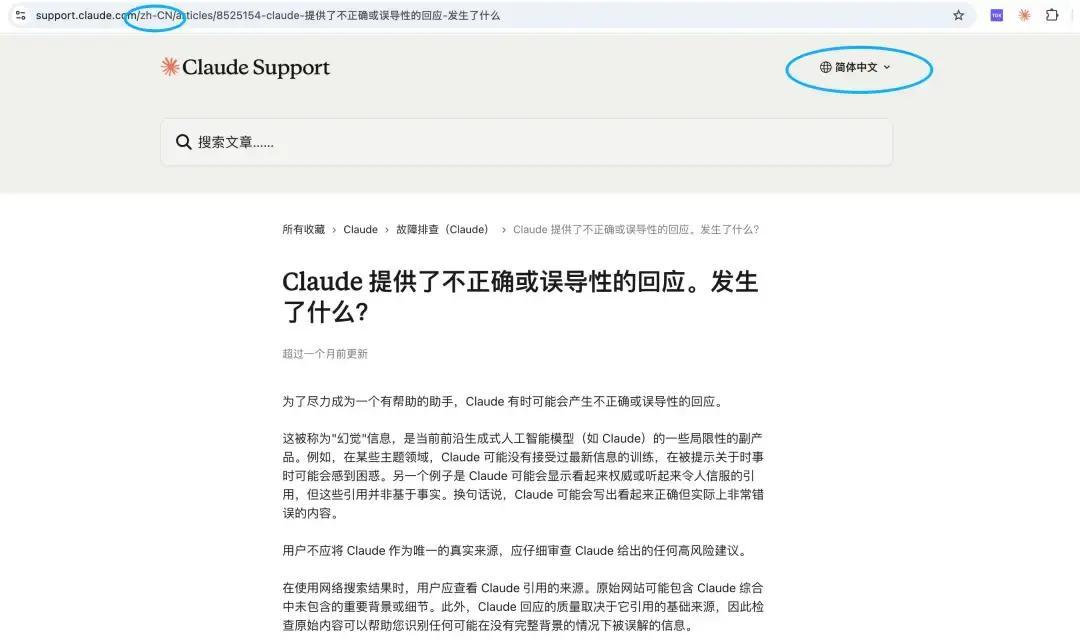
Recently, users have noticed that although Anthropic’s Claude has not directly opened its main site services to mainland China, its support for Simplified Chinese has quietly expanded into documentation, development tools, and help centers. Two notable details are: first, replacing the English path in the official documentation link with “zhCN” leads directly to a complete Chinese version; second, after version 2.1, Claude Code added a language configuration that, when set to Chinese, localizes error explanations and submission notes.
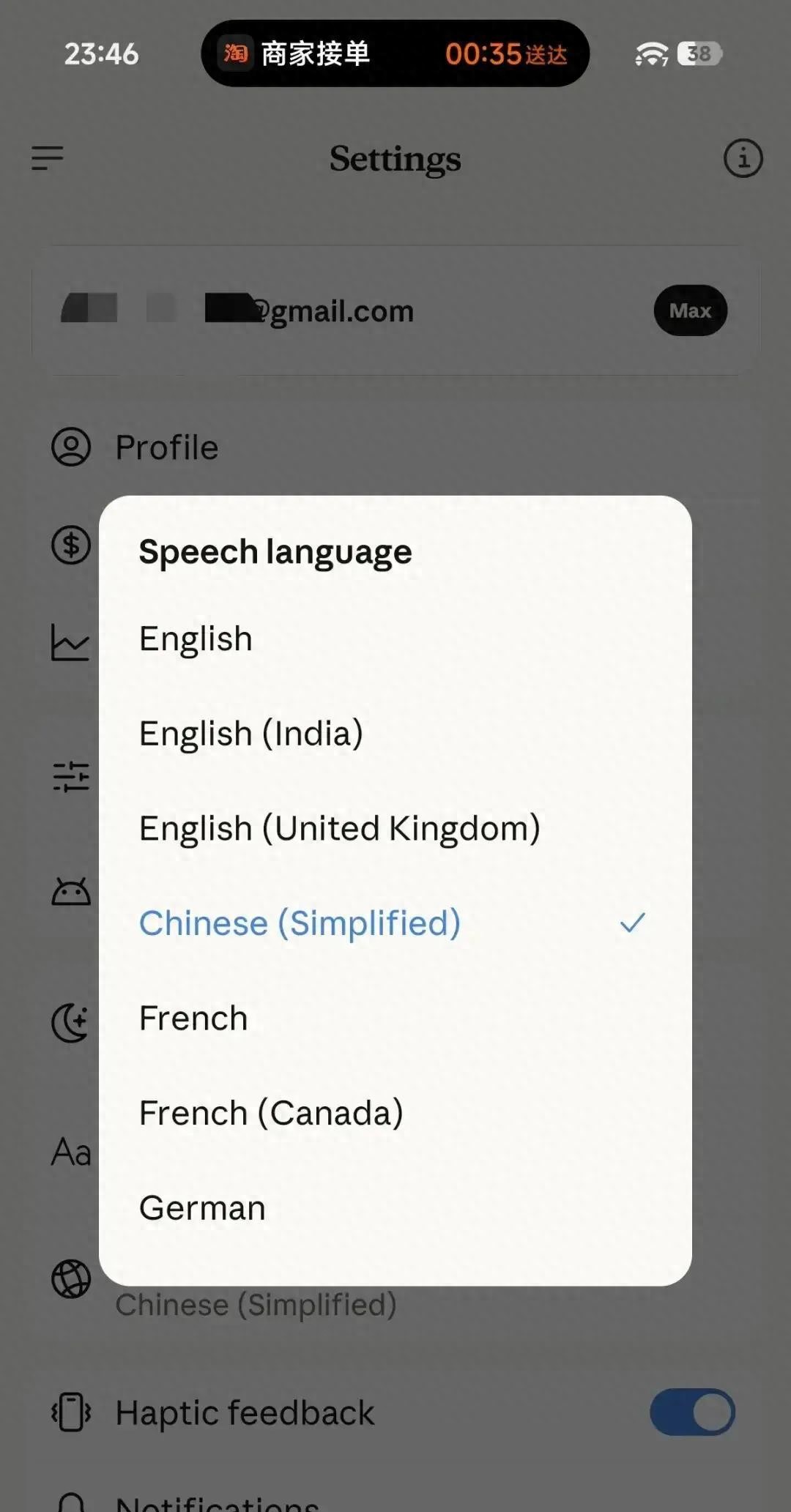
Looking at the documentation side, publicly available information shows that pages like Quickstart and Skills already have relatively complete Simplified Chinese versions, and these are not simple translations; terms such as “expanded thinking,” “prompt cache,” and “computer usage tools” have clearly undergone manual proofreading. This is crucial because development documentation is not a promotional page, and translation quality directly affects the learning curve. For AI companies, documentation is often the first gateway for developers to pay and access the ecosystem. The willingness to refine this layer indicates that Chinese users are at least seen as a group that needs serious service. This approach is not uncommon among overseas tech companies, which typically start with documentation and support pages before deciding whether to proceed with full product localization.
On the tools side, the signals are even stronger. After adding the language configuration in Claude Code, Chinese support extends beyond interface prompts to include the display of thought processes, error explanations, and commit messages—elements frequently used by programmers, debuggers, and those performing automation tasks. This is more practical than merely translating buttons into Chinese. Another detail is that the support center lists Simplified and Traditional Chinese separately, indicating that “Chinese” is not treated as a generic category but is handled according to different reading habits. The support page also features a Chinese version of common questions and troubleshooting instructions, showing that the effort is not just superficial but also addresses after-sales and self-service troubleshooting.
However, it is also clear that Claude’s main site, desktop interface, app main interface, and official blog still primarily use English, and there have been no public changes regarding access and usage restrictions for mainland Chinese users. In other words, the company is currently taking a “capability first, entry remains restrained” approach. This layered strategy is not rare; many international products first localize lower-risk parts aimed at developers and existing users before deciding whether to expand to full product localization. In other words, the support for Chinese is a real action, but it mainly falls on documentation, coding tools, and help systems—areas that can enhance retention and payment experiences—rather than moving towards full openness.
For Chinese developers and creators, this situation indicates at least two points. First, Anthropic has clearly recognized the value of the Chinese-speaking community; otherwise, it would not invest manpower in maintaining terminology consistency, layered documentation, and dual-version support centers. Second, the notion that “only English prompts can extract the model’s capabilities” seems less valid in the current public product experience. The mentioned performance of Chinese MMLU and long-form writing capabilities belongs to common model capability benchmarks. Although specific scores will depend on official evaluations or reports, user feedback indicates that Claude’s usability in Chinese writing, code explanation, and long text processing is indeed high. What truly impacts the experience is whether users can access these entry points and whether they can reliably invoke these capabilities.
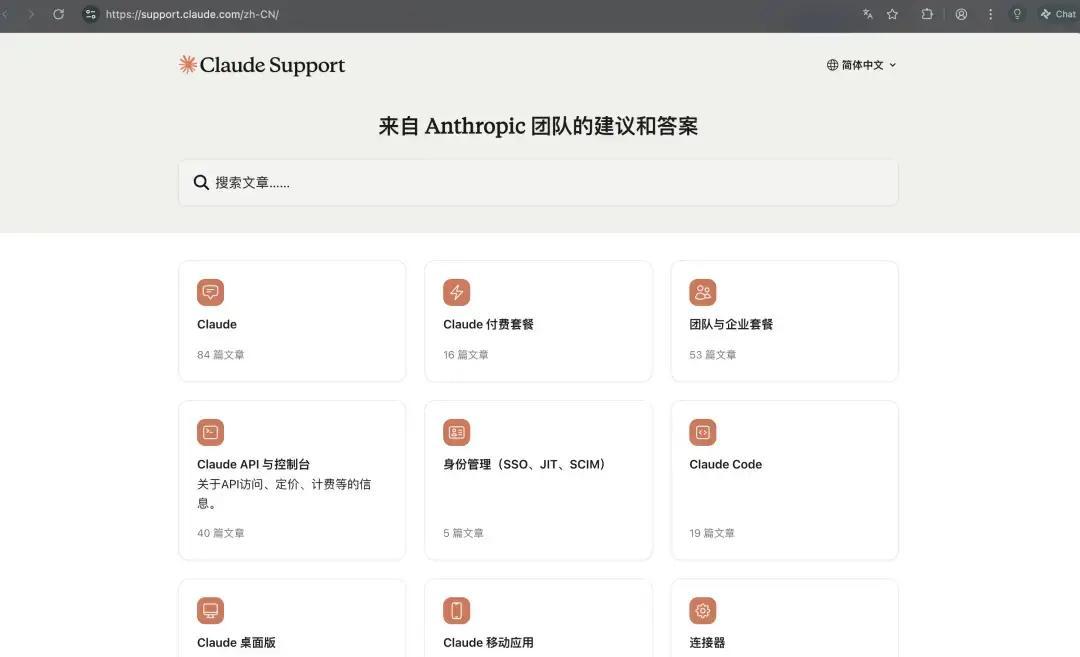
The most interesting aspect of this situation is not whether “it does Chinese” but rather “where it has implemented Chinese support.” Documentation, support pages, and coding tools are all closely aligned with developers’ daily activities, indicating that it prioritizes users who consult documentation, write code, and continue to use the product. As for why the product homepage has not synchronized the switch or why regional access has not kept pace, current public information is insufficient to draw conclusions. However, from the details already online, it is clear that Anthropic has not neglected investment in Simplified Chinese; they have just placed their efforts in more pragmatic areas. Moving forward, it will be important to monitor the frequency of documentation updates, whether Claude Code’s language support continues to expand, and whether more Chinese entry points will appear in the official product interface.
Comments
Discussion is powered by Giscus (GitHub Discussions). Add
repo,repoID,category, andcategoryIDunder[params.comments.giscus]inhugo.tomlusing the values from the Giscus setup tool.