Major Updates from Anthropic
On May 7, Anthropic made several significant announcements during the Code with Claude developer conference, including increased API call limits, new capabilities for Claude-hosted agents, and a partnership with SpaceX.
API Rate Limit Increases
Effective immediately, Anthropic has doubled the call limit for Claude Code to 10 hours for Pro, Max, team, and enterprise plans billed per seat. They have also lifted peak hour call limit reductions for Pro and Max accounts and relaxed API rate limits for the Claude Opus model.
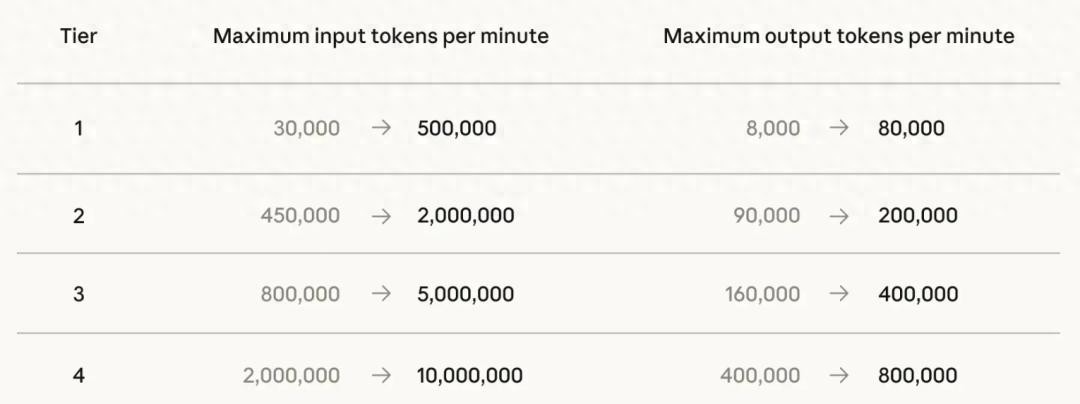 Claude Opus model updated API rate limits.
New Capabilities for Claude-hosted Agents
The Claude-hosted agents now feature three new capabilities: multi-agent orchestration, outcome definitions, and autonomous dreaming. The dreaming feature is currently in a research preview phase and requires an application to experience. The outcomes, multi-agent orchestration, and memory capabilities are part of the Managed Agents service and are open for public testing.
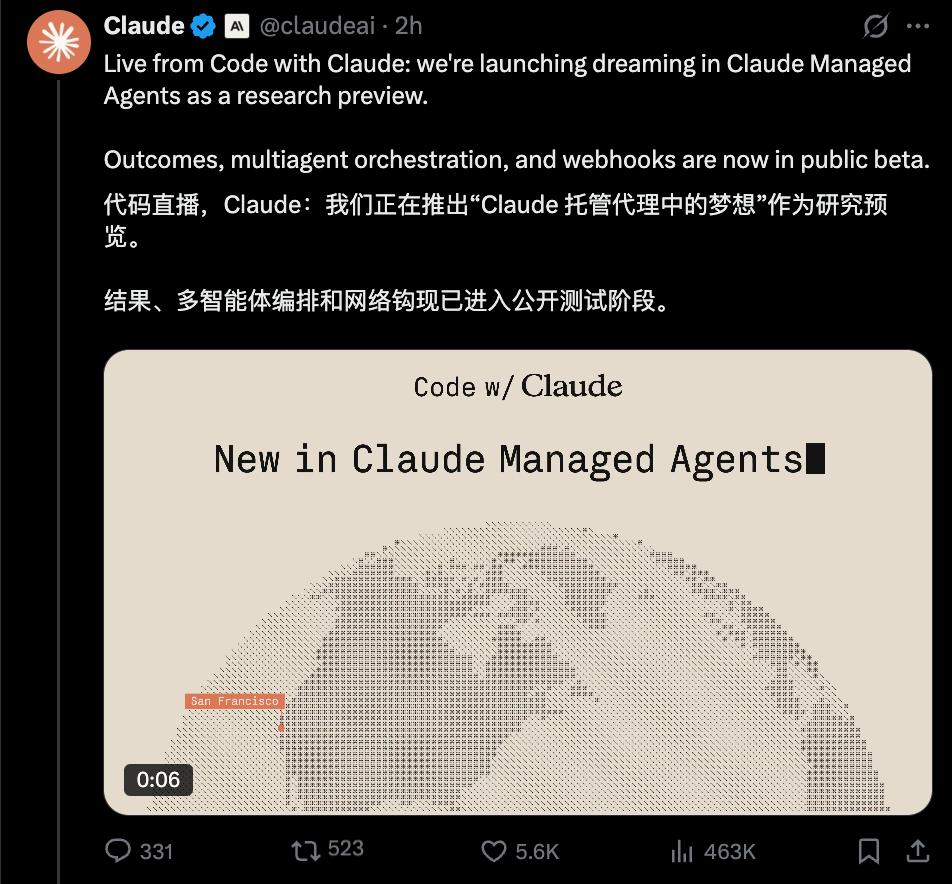 New features in Claude Code include remote control, UI refresh, flicker-free rendering, and permission control.
Partnership with SpaceX
To further expand service coverage, Anthropic has partnered with SpaceXAI (formerly xAI), granting them full access to the computing resources of the SpaceXAI Colossus 1 data center. This partnership will add over 300 megawatts of computing capacity this month, exceeding 220,000 NVIDIA GPUs, aimed at enhancing the service experience for Claude Pro and Claude Max subscribers.
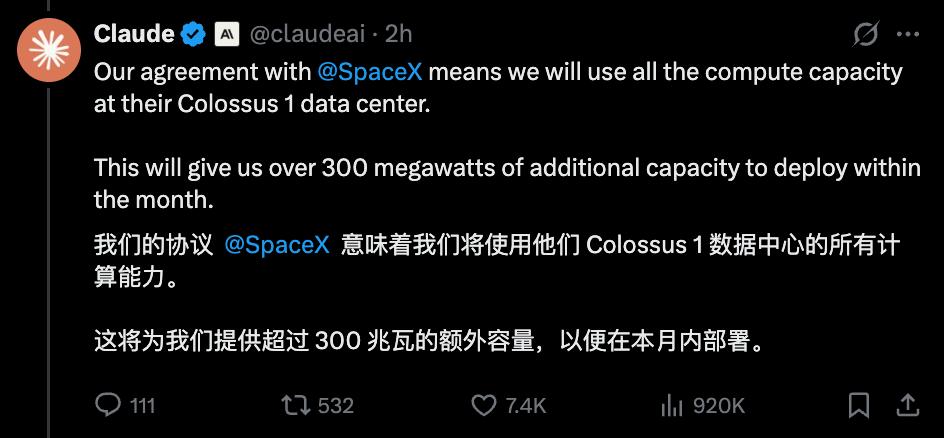 This capacity expansion is another significant step in Anthropic’s major computing strategy announcements.
Previously, Anthropic had reached a collaboration agreement with Amazon for up to 5 gigawatts of computing power, with nearly 1 gigawatt expected to be operational by the end of 2026. They also signed a 5-gigawatt agreement with Google and Broadcom, with related capacity expected to come online by 2027, and formed strategic partnerships with Microsoft and NVIDIA, covering $300 billion worth of Azure cloud computing resources.
At 4 AM today, Anthropic co-founder and CEO Dario Amodei, co-founder and president Daniela Amodei, and Chief Product Officer Ami Vora held a discussion. Dario mentioned that due to Claude, the world is paying unprecedented attention to Anthropic. Their annual recurring revenue (ARR) growth has been exponential, previously expected to grow tenfold but ultimately seeing an 80-fold increase. However, he expressed hope that this growth does not continue at such an unsustainable rate.
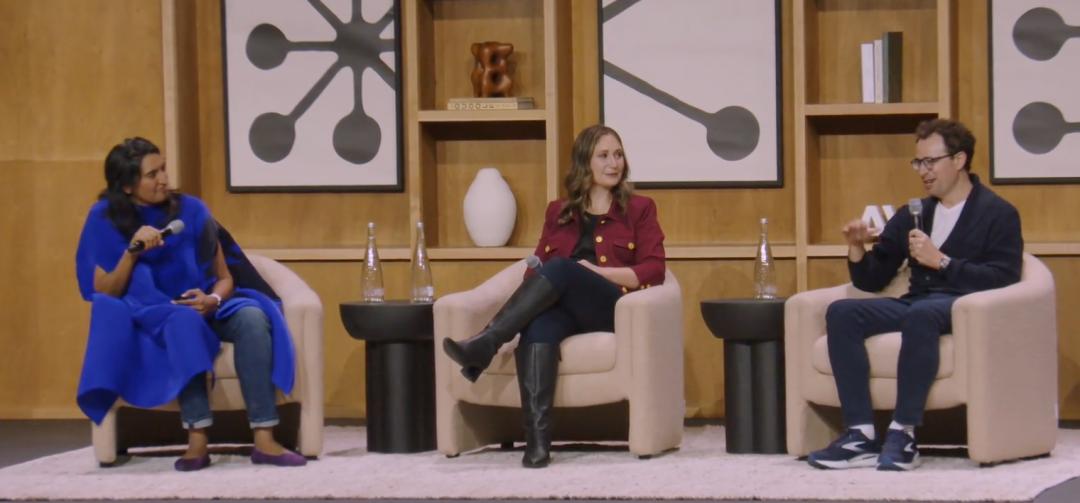 Anthropic Chief Product Officer Ami Vora, co-founder Daniela Amodei, and CEO Dario Amodei (from left to right).
Claude-hosted Agent Upgrades
The upgrades to Claude-hosted agents include:
- Multi-Agent Orchestration: Developers can create clusters of agents to collaboratively tackle highly complex tasks.
- Outcome Definitions: This feature allows developers to precisely define success criteria for tasks, with Claude iterating automatically until the task meets the standards.
- Autonomous Dreaming: With this capability, Claude can autonomously plan tasks by reviewing past conversations and identifying areas for improvement, writing these insights directly into memory.
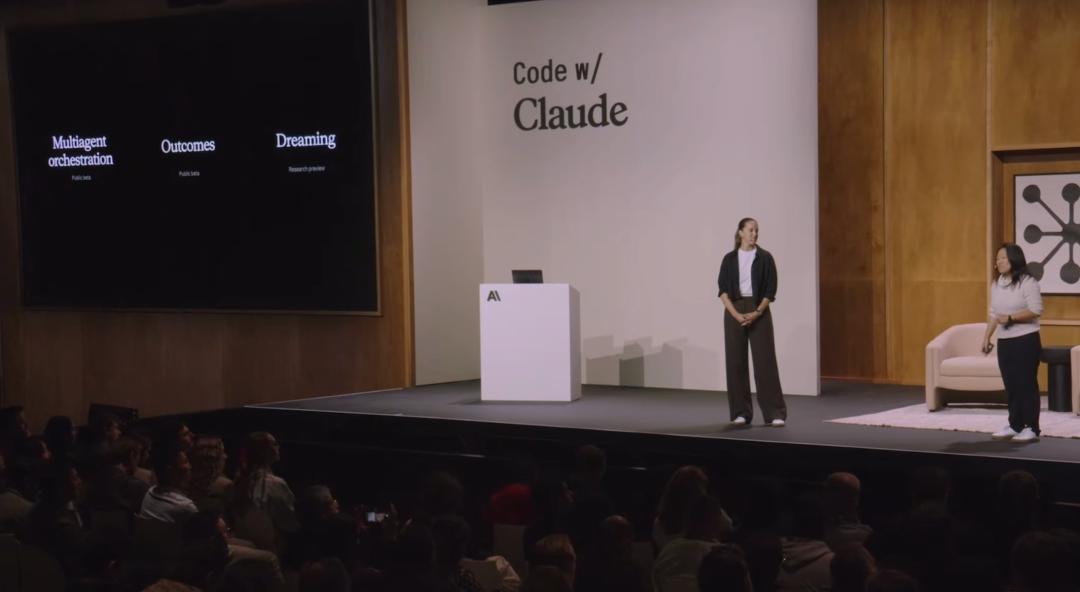 Anthropic product lead Angela Jiang and engineer Katelyn Lesse demonstrated the new features by creating a hypothetical startup called Lumara, developing a genetic algorithm software for autonomous drone landings on the Moon.
They set up a scenario where a client wanted to deploy a drone on the Moon to mine a hypothetical resource, demonstrating the configuration process using Claude’s command line tools.
Task Execution
The core command agent ensures smooth task execution, while the detection agent identifies suitable landing spots rich in high-quality resources, and the navigation agent ensures safe landings and accurate travel to designated targets.
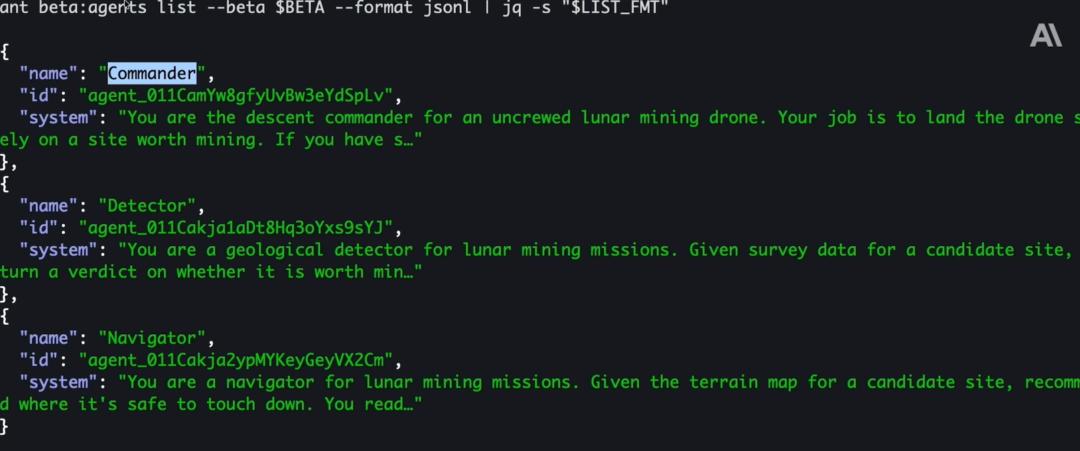 During the task, the command agent initiates a task session, with each sub-agent operating in its own execution thread and context window.
Using the outcomes feature, they configured a high-level agent responsible for ensuring the predefined goals are met. The standards for judging task success were clearly outlined in a Markdown file, including conditions for a smooth landing, landing on flat ground, and ensuring sufficient fuel for a safe return to Earth.
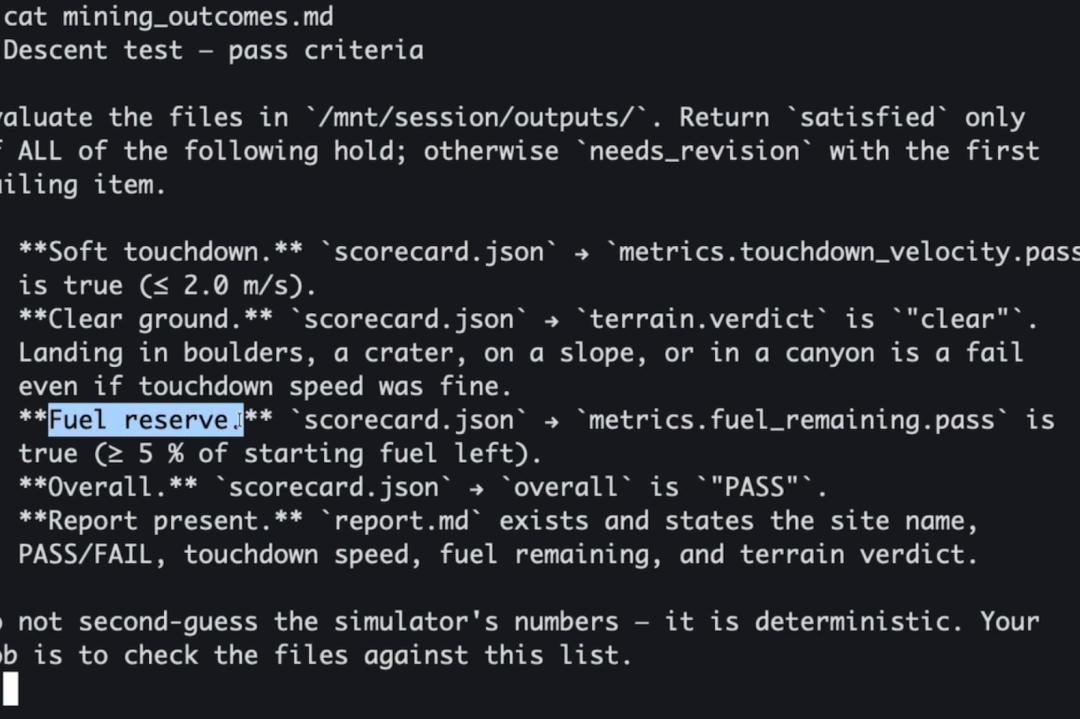 To establish these acceptance criteria, the demonstrators sent an event to the task session, defining the rules as the target acceptance standards.
Additionally, a scoring review agent was created to assess each execution round against the pre-set acceptance criteria, with developers able to set a maximum number of iterations.
Testing Phase
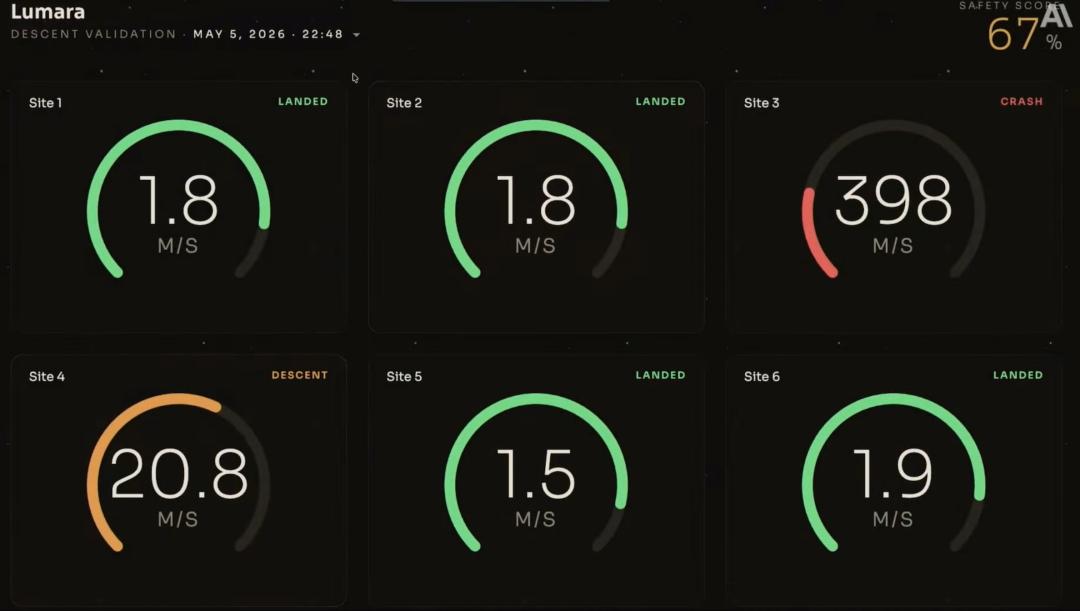
During the testing phase, the client provided data for six hypothetical landing sites, running multiple simulation sessions to test the outcomes. The results indicated that four of the judgments were correct, while the third and fourth sites required optimization.
 Next, the system was upgraded, with the demonstrators accessing the Claude developer console to enable the Dreaming feature, selecting a memory repository. The autonomous dreaming agent reviewed all past simulation sessions and wrote the summarized experiences into the memory repository, allowing future task sessions to reference these insights.
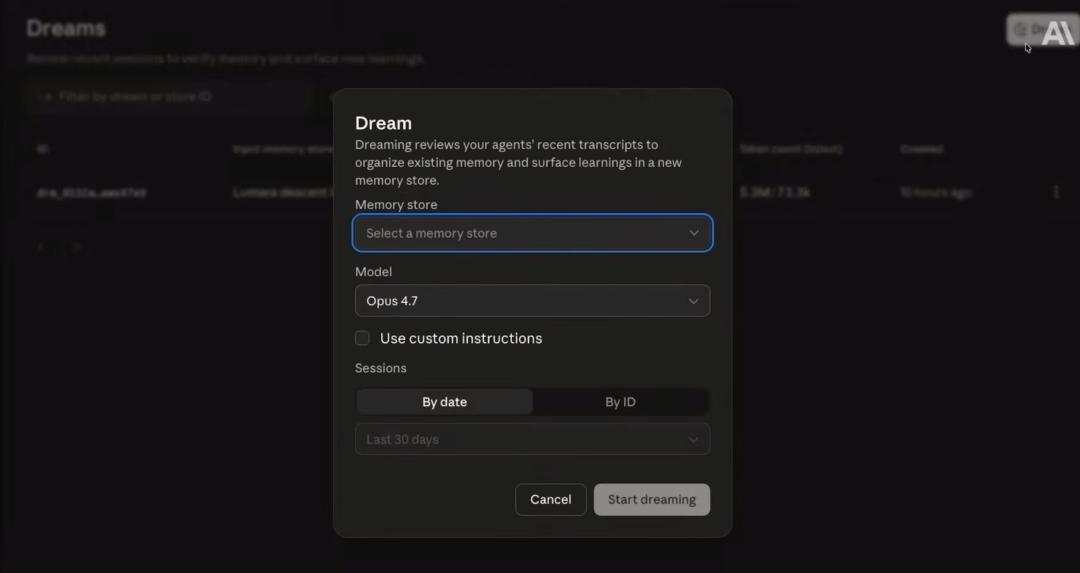 Crucially, the agent also generated a landing operation manual, which future task sessions could reference, containing rules derived from past experiences.
Claude Code Updates
Claude Code engineer Dickson Tsai introduced over ten updates focused on developer experience and autonomous intelligence.
Developer Experience Enhancements
- Remote Control: Users can leave tasks running in the background on their computers and continue the same session on mobile.
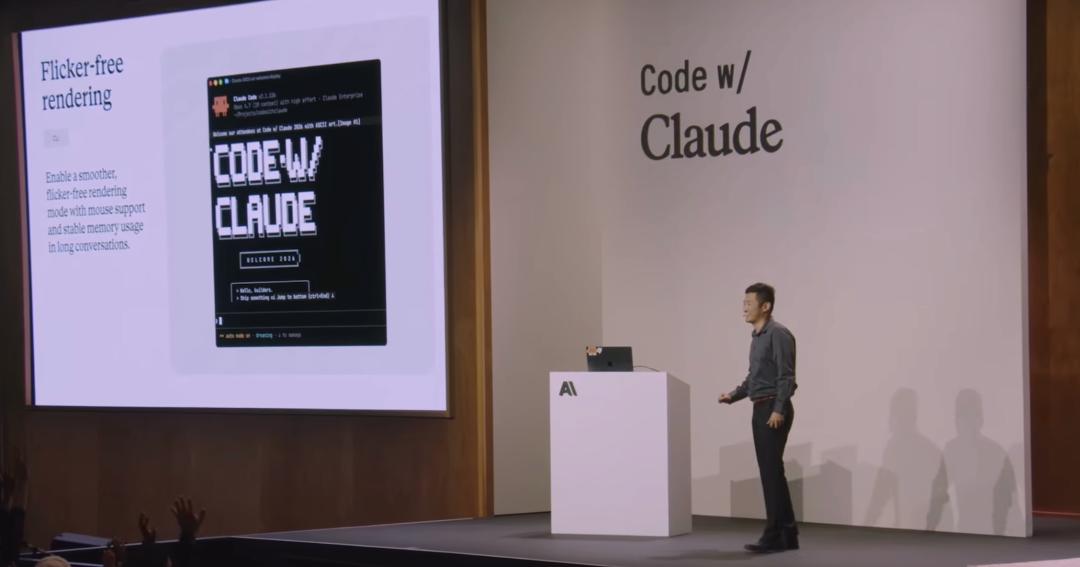
- Flicker-free Rendering: The previous version frequently triggered redraws due to content addition, but the new UI supports full-screen mode and virtual list rendering, eliminating interface stutter and maintaining stable memory usage.
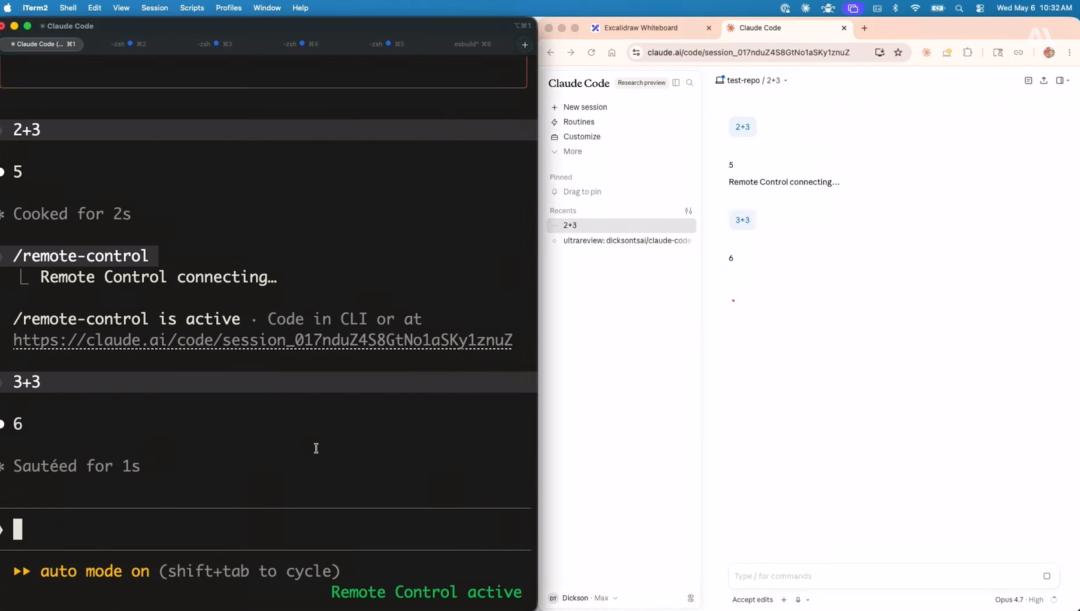 Developers can visually see rendering effects during Claude’s operation without issues, even with lengthy content.
- UI Refresh: New filtering and grouping capabilities allow developers to manage tasks by project and drag panels for flexible view layouts. They can jump to planning summaries and leave comments, which Claude will compile and follow up on.
 When session logs are lengthy, hovering over any message allows developers to customize titles, automatically generating a table of contents.
Autonomous Intelligence Features
- Auto Modo: Claude can autonomously handle tasks like permission prompts, branching, and build commands.
- Permission Mode: Using a security classifier, AI makes automatic permission decisions based on risk assessments.
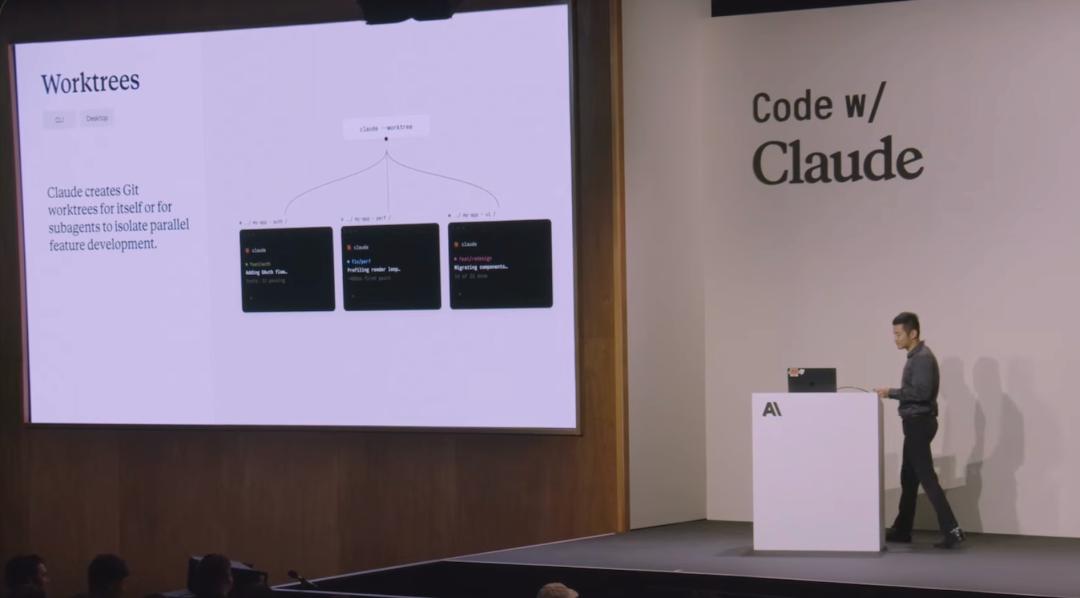
- Worktrees: This feature helps developers keep their code environments clean and isolated, overcoming many pain points of native Git worktrees.
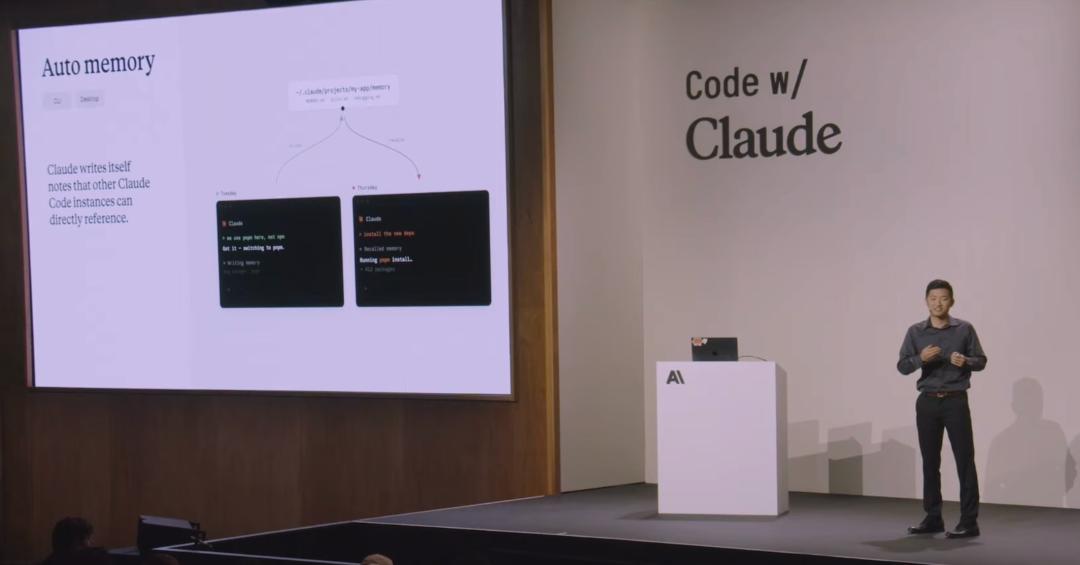
 4. Auto Memory: Claude can accumulate knowledge across sessions, remembering key commands and preferences deemed useful for future conversations.
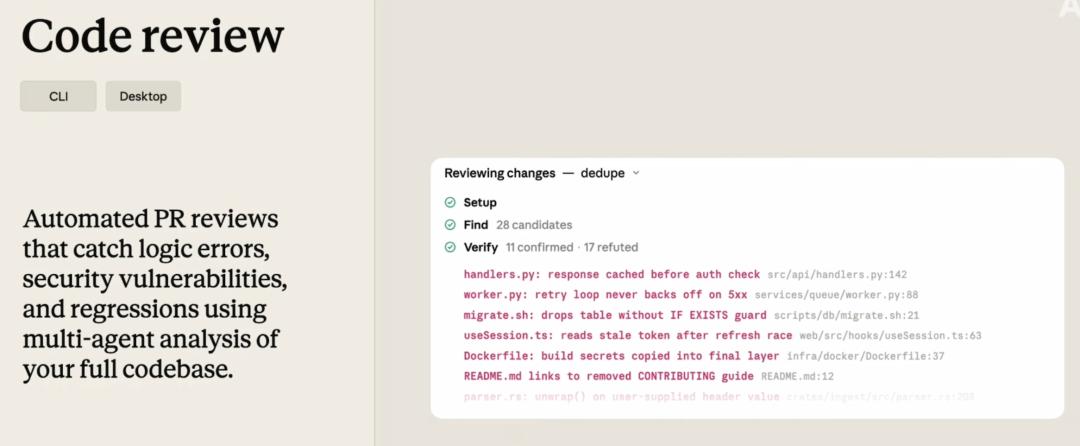
 5. Multi-Stage, Multi-Agent Code Review: A group of review agents independently assesses code from various perspectives, verifying results to identify issues that would typically take hours to resolve.
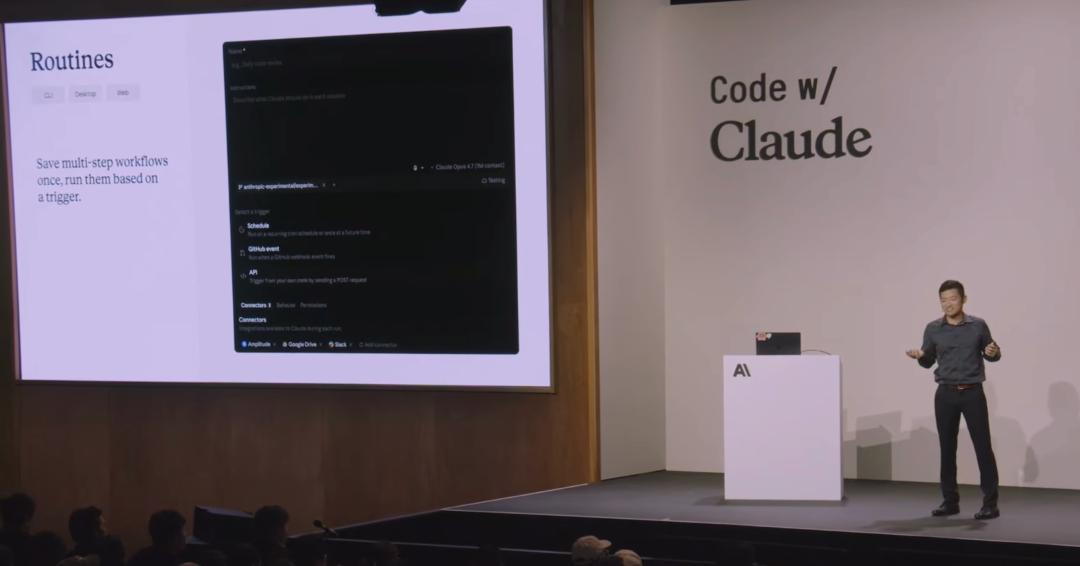
 6. Routines: This feature is in preview mode, allowing one-time configuration of prompts and triggers for Claude to run automatically.
Future Directions
Dianne Penn stated that Anthropic has launched 18 versions of the Claude model, including Sonnet, Opus, and the new Mythos series, all available for developers.
The exponential development of models means they are becoming more logical, planned, and thoughtful. Developers will have proactive, always-online agents that understand their tasks and maintain coherent logic throughout.
Anthropic believes that architectural design must focus on the next generation of models rather than just adapting to current versions. Successful developers will optimize their architectures in advance for the next leap in intelligence capabilities, rather than focusing solely on minor performance iterations.
For enterprises, the main challenges are achieving expected outputs and ensuring rapid deployment. The Claude platform provides foundational infrastructure for building and scaling agent systems, along with management capabilities for operations.
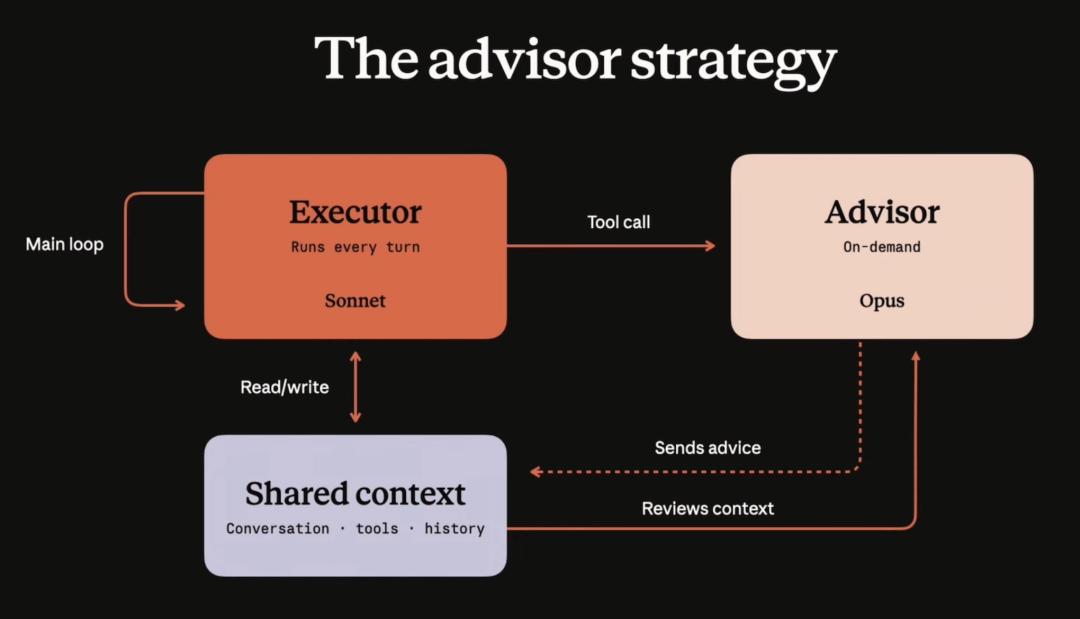
Angela noted that enterprises often struggle to utilize advanced intelligence capabilities effectively. One proposed solution is consulting strategy capabilities, allowing enterprises to update tool configurations in the Messages API.
In practice, enterprises can use lightweight models for task execution and call larger models for guidance when needed. Testing combinations of Sonnet for execution and Opus for guidance has shown significantly better performance than using Sonnet alone, with lower overall costs.
Conclusion
The competition among large models is intensifying, and Anthropic has revealed its development directions and future plans. They aim for stronger judgment and higher quality code capabilities, allowing Claude to handle autonomous engineering tasks, enhanced memory capabilities for longer context windows, and multi-agent collaboration for complex tasks.
As large model companies shift towards a comprehensive competition in computing infrastructure, models, ecosystems, and commercialization, Anthropic not only upgrades its products but also announces a significant partnership with SpaceX, further expanding its computing capacity alongside collaborations with Amazon, Google, and Microsoft. With reduced API costs and increased call limits, Anthropic’s offerings are expected to attract many small and medium enterprises to migrate to the Claude ecosystem, solidifying its position in the enterprise AI market.
Comments
Discussion is powered by Giscus (GitHub Discussions). Add
repo,repoID,category, andcategoryIDunder[params.comments.giscus]inhugo.tomlusing the values from the Giscus setup tool.